Hope you are fresh and fine, my brother/sister. Let’s talk about walls that roar, creep, flap, and stare back. Wildlife graffiti is exploding across cities. A single photo of a real badger looking up at badger graffiti just won a global wildlife photo vote and shook the web. Big artists like Banksy are spraying animals across London. Conservation groups are using murals to save species. And smart bloggers (that’s you!) can ride this trend to traffic, time-on-page, and trust. Let’s dive in.
What Is “Wildlife Graffiti”?
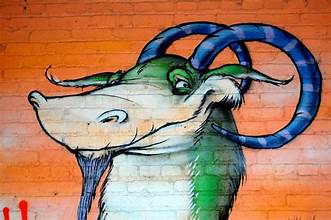
Wildlife graffiti is any street art, mural, stencil, tag, paste‑up, or 3D install that shows animals or nature. It lives outdoors. It meets you on the walk to school or the ride to work. It blends art, surprise, and species love. Some pieces are fast stencils. Some are giant wall murals with full jungle scenes. A few mix trash, spray, and sculpture to build animal forms that jump off the wall.
Wildlife graffiti is more than cool animal pics. It can spark talk about habitat loss, zoo ethics, climate, and local species pride. When people see an animal where they live, they care more. Street art makes that happen in real life scale.
Why Animal Art On Walls Hits So Hard
Our brains lock onto eyes and faces. Big color plus surprise location equals fast attention. Add a known animal (owl, badger, elephant) and people snap photos and share. Viral shares grow reach. When art meets a local story (farm badgers, city foxes, zoo gorilla) we feel it. That emotion helps push action for wildlife. Conservation teams now use murals in campaigns because public art sticks.
For further reading please visit
- Thermal Imager Wildlife Background: 15 Jaw-Dropping Ways To See Hidden Animals At Night
- Can You Hold Guinea Pigs 11 Shocking Facts Every Owner Must Know
- 10 Shocking Facts About Bearded Dragons You’ve Never Heard Before!
- 100 Jaw-Dropping Facts About Penguins You Never Knew Before
Quick History: From Subculture Spray To Global Wildlife Street Art
Graffiti began as names. Crews marked territory. Over time, scale and style grew. Themes widened—politics, humor, and animals. Books tracked the growth of London’s underground scene, showing how writers moved from simple tags to full productions, characters, and wild style beasts. The London Wildlife graffiti book closed a trilogy that documents decades of London’s scene, including animal work by key writers.
Today, wildlife street art shows up worldwide: giant 3D fish bursting from buildings, giraffes nibbling balconies, trash-built apes clinging to walls, and mural series tied to endangered species drives. Global artists, NGOs, and even city councils now back animal murals to rally support.
Viral Moment: Badger Wins Wildlife Photo Competition (Graffiti Admiration!)
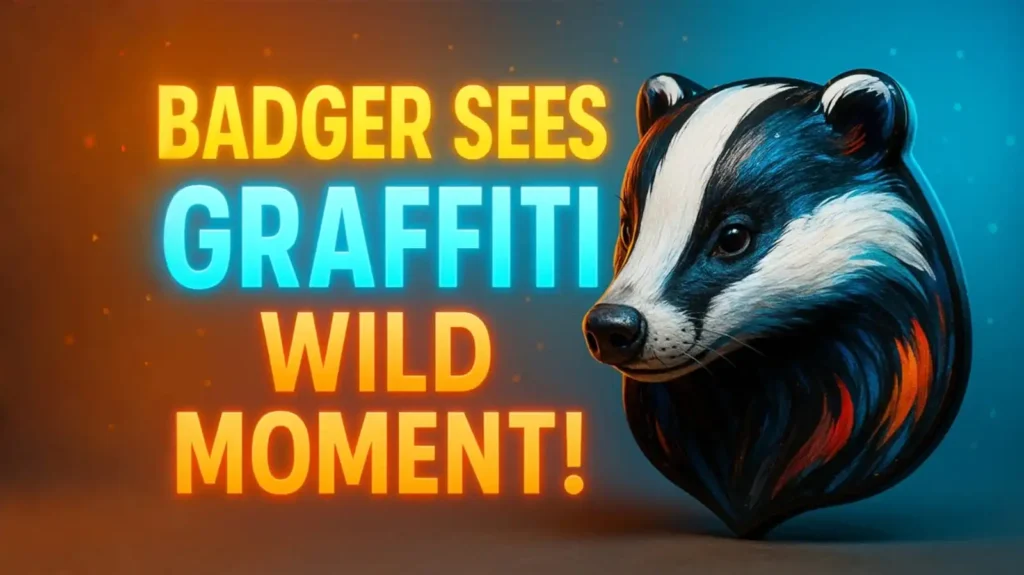
In February 2025 the Natural History Museum announced its Wildlife Photographer of the Year People’s Choice Award: a shot titled No Access by Ian Wood. It shows an ambling Eurasian badger under a streetlight, seeming to look up at a graffiti badger painted on a wall—pure “wild meets wall” magic. The public loved it. A record vote (over 76,000) pushed it to the top from 25 shortlisted images.
The image hit nerves for many reasons: timing, humor, and a deeper message about urban wildlife living beside us. Museum leaders called it a window into nature’s interaction with the human world. Wood hopes the global attention will also shine light on UK badger culling and why we must protect them.
Yes, search traffic spiked around phrases like badger wins wildlife photo competition with graffiti admiration and wildlife photographer badger graffiti—proof that animal plus graffiti stories pull clicks fast. Use those terms smartly in subheads and captions to catch intent.
London Spotlight: Banksy & The London Wildlife Graffiti Wave
London saw a wild run in August 2024: over nine days, Banksy dropped a new animal piece each day across the city—goat, elephants, monkeys, wolf, pelicans, piranhas, rhino, gorilla freeing zoo animals, and more. Fans hunted each new spot. Social feeds blew up. The series made people ask: Is this a protest? A joke? A nature message? Even if the artist stayed quiet, the animals stole headlines.
Protecting the pieces became a story of its own. Some were defaced within hours. Councils rushed plexi shields and anti‑graffiti coatings—yes, anti‑graffiti to protect graffiti! A London borough restored Banksy’s elephant mural after vandals marked stripes across it. Property owners debated removal, sale, or preservation. Public talk equals free reach for wildlife art—and for your content when you cover it.
The gorilla lifting a shutter to “free” zoo animals at the London Zoo gate grabbed global press and tied street art to captive wildlife debate in a single image. Bloggers covering graffiti animals London zoo saw share surges the week it landed.
Inside The London Wildlife Graffiti Book (Collector Gold)
If you blog about street art culture, mention the 2018 London Wildlife book. It’s the final volume in a trilogy after London Handstyles and London Blackbook. It dives into decades of underground graffiti, voices from influential writers, and the wild side of letter styles, characters, and yes—animal motifs spread across the capital. Collectors prize it; posts that review or reference the london wildlife graffiti book often pull niche traffic from hardcore fans searching for out‑of‑print titles.
Tip: Include both keyword orders—london wildlife book graffiti and london wildlife graffiti book—in alt text or caption copy. Small move. Extra clicks.
Wildlife Graffiti For Conservation & Awareness (Global Projects)
Street art is now a tool in wildlife campaigns. The Center for Biological Diversity runs the Endangered Species Mural Project, partnering with artists and communities to paint local imperiled species—hellbenders, crayfish, bats, jaguars, and more—right in town centers. The goal: link people to native biodiversity and inspire action.
GraffitiStreet profiled 10 endangered animals highlighted by murals worldwide and tied each to wildlife decline stats from conservation groups. Their coverage shows how artists, from Sonny’s rhino to marine mural festivals, use public walls to shout “protect me” at passersby. Great material for posts on street art for conservation and endangered species mural ideas.
WWF-Canada teamed with street artist birdO, known for vivid animal murals across cities, to connect art lovers with wildlife conservation campaigns. This collab proves NGOs see value in public art reach—good proof when pitching brand or nonprofit tie‑ins on your blog.
Put it together and you have a rising wildlife graffiti trend: NGOs, museums, viral photos, and superstar street artists all pulling public eyes toward animals. Blog this theme and link to active campaigns so readers can help.
How To Spot, Photograph & Share Wildlife Graffiti (Easy Guide)
1. Find Local Walls
- Search your city name plus “wildlife graffiti” or “animal mural.”
- Check map pins from street art blogs and museum outreach pages.
- Follow local art hashtags (#CityNameStreetArt, #UrbanWildlifeArt).
2. Scout At Different Times
Morning and evening light add mood. Streetlights at night (like the badger shot) can create drama. Bring a small tripod if safe.
3. Include Context
Pull back so viewers see the wall in the city—cars, signs, fences. It helps show “nature meets urban.” Banksy location shots went viral because the place told half the story.
4. Watch For Interaction Moments
Animals near animal art equals gold. Urban fox under a fox mural. Pigeons resting on a pelican sign. Stay patient; Ian Wood waited and set a hide for his badger success.
5. Credit The Artist (If Known)
Many conservation murals are community works. Crediting builds goodwill and helps campaigns grow. Projects like the Endangered Species Mural network depend on community pride.
Content Tips For Bloggers & Creators (Boost Time On Page)
You want more dwell time. Try these:
Add a mini “Before You Scroll” hook box at top: “Guess which animal mural got 76k public votes?” Hook text drives scroll depth.
Use comparison carousels: “Real vs Graffiti.” Pair Banksy’s animal with a conservation fact about the species. Carousels keep visitors clicking.
Embed location map segments for Banksy animal spots or local endangered species murals. Travel curiosity equals longer sessions. Some Banksy pieces vanished; note status to add urgency.
Offer printable scavenger checklists (“Find 5 wildlife street art walls in your city”). Families share these. Shares mean backlinks. Conservation mural groups show community events work.
Safety, Respect & Legal Notes Before You Shoot
- Stay off private property unless invited.
- Do not climb unstable roofs for photos (several Banksy installs got rushed crowds; some pieces were removed after unsafe visits).
- Do not tag over active art. Banksy elephants were defaced; local councils now shield key works. Respect keeps access open.
- If art sits on a conservation site wall, follow site rules. Many endangered species murals come with community partners who monitor impact.
Mini Gallery Ideas You Can Build On Your Site
Want sticky content? Build themed galleries inside your post:
Gallery 1: Viral Wildlife Graffiti Moments
Include the badger photo, Banksy gorilla at the zoo gate, and one big trash-built ape mural. Short captions.
Gallery 2: Street Art For Conservation
Show hellbender, rhino, birdO mural examples. Add one‑line conservation fact.
Gallery 3: London Wildlife Graffiti Classics
Mix Banksy animal hits plus historical underground pieces highlighted in the London Wildlife graffiti book to show culture roots.
Conclusion
Wildlife graffiti turns gray walls into loud nature billboards. A single street‑side moment—a badger glancing at its own painted twin—can touch the world, win major awards, and raise talk about real animals under threat. Artists from underground crews to global icons like Banksy keep dropping animals in our path. Conservation groups paint endangered species where we live so we cannot ignore them. Use this energy. Tell these stories. Help people see—and save—the wildlife around us.
FAQ Section
Q1. What does “wildlife graffiti” include—only spray paint?
It includes spray, stencils, paste‑ups, brush murals, even trash-built animal installs fixed to walls. If it’s public, on a surface, and shows wildlife, count it.
Q2. Why did that badger plus graffiti photo go so viral?
Perfect timing, clear animal subject, humor, and a human‑made element (graffiti) in the same frame. Public voting pushed it to win the Wildlife Photographer of the Year People’s Choice Award after 76k votes.
Q3. Are wildlife murals helping conservation?
Yes. Groups like the Center for Biological Diversity and artists highlighted by GraffitiStreet and WWF use murals to spotlight threatened species and drive local action and donations.
Q4. What’s special about Banksy’s animal run in London?
Nine animal pieces in nine days turned London into a live scavenger hunt. Media attention raised talk about art, animals, and preservation; some works now have protective coatings due to high public value.
Q5. Where can I learn about historic London graffiti culture with animal themes?
Check the 2018 London Wildlife graffiti book—the last in a respected trilogy documenting decades of London’s underground scene, including animal work by major writers.
Call To Action
Snap a wildlife graffiti photo in your city this week. Post it. Then tell one fact about the real animal shown in the art. Small act, big awareness. Ready? Let’s flood feeds with wildlife street art love!