

Hope you are fresh and fine, my brother/sister. Have you ever sat in the dark, hearing twigs snap, but seeing nothing? A thermal imager wildlife background opens that hidden world. In thick brush. In rain. In pitch black. You see glowing shapes of life all around you. Today we go deep (in simple words) so you can use a thermal imaging camera for wildlife the right way, stay legal, and grab epic shots for your blog or channel.
I will keep things clear. Short lines. Easy steps. Grade 5 style. Let’s switch on the heat.
Quick Snapshot: What A Thermal Imager Sees
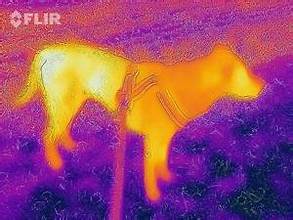
A thermal imager does not need light. It reads heat. Every living thing gives off a heat signature. The device turns tiny heat changes into a picture. Warm shows bright. Cool shows dark (or the reverse, based on settings). That means animals pop even when they hide in grass, brush, or tall crops.
When people say thermal imager wildlife background, they mean the whole scene behind the animal also glows in shades of heat. Reading that background helps you spot tracks, burrows, nests, or warm rock ledges where animals rest.
Use a thermal imaging camera for wildlife at dawn, dusk, full night, or cloudy days. Once you learn the patterns, you can scan fast and miss less.
For further reading please visit
- State Animals Secrets They’ve Been Hiding From You!
- 10 Shocking Facts About Bearded Dragons You’ve Never Heard Before!
- 100 Jaw-Dropping Facts About Penguins You Never Knew Before
Why Thermal Beats Pure Night Vision
Night vision boosts light. If light is low, it struggles. Bright light can even blow it out. Thermal ignores visible light. Because of passive heat detection, you can scan in daylight glare, moonlight, or no light at all.
Another plus: many animals cannot tell you are watching. No beam. No glow. That keeps stress low and helps with fair chase laws when only viewing.
Thermal also works through some light cover. Dry leaves. Thin brush. Light fog. Even light smoke. It will not see through walls, but it helps you look through fog and smoke better than bare eyes.
How A Thermal Imaging Camera Works (Simple Science)
Inside the unit is a sensor that reacts to infrared energy. Infrared thermography takes that energy and turns it into numbers. The device maps the numbers as pixels. Hotter pixels show one color or shade. Cooler pixels show another.
Most outdoor thermal sensors read long-wave infrared. That is the heat band most animals give off. Good units pick up very small temperature gaps. That makes a small rabbit stand out from a cool field.
Key Specs That Matter In The Field
Buying your first thermal imaging camera for wildlife? Look at these specs first:
- Sensor resolution: More pixels = more detail when you zoom. 640×512 shows more than 256×192.
- NETD sensitivity: Lower number (like <35 mK) means the device can tell tiny heat changes. Better for spotting small birds or young animals.
- Detection range: How far the unit can see a man-size or deer-size heat blob. Match this to your habitat. Open fields need more range.
- Field of view: Wide lets you scan fast in close woods. Narrow reaches farther but shows less area.
- Refresh rate: Higher Hz gives smoother motion when animals move fast.
- Battery life: Long nights need long power. Hot or cold weather drains cells.
- Weatherproof rugged: Look for an IP rating and rubber armor if you hike hard.
Mark these down before you buy. Good gear choice saves money.
Choose Your Form: Monocular, Binocular, Spotter, Scope, Drone
Each style has pros:
Thermal monocular
Light. One hand use. Fast scan while you walk. Good for hikers and casual watchers.
Thermal binocular
Two eyes. Less strain. Better depth feel. Good for long sits or survey work.
Thermal spotter
Often bigger lenses. Sharp long reach. Great for open country or count work.
Thermal scope
Mounts on a rifle. Check laws. Not for simple viewing in many places.
Drone mount
Wide aerial sweep for a wildlife survey, count nests, or find large herds. Watch local rules before flying.
Setups For Different Wildlife Goals
Match gear to job:
- Backyard scans: Small thermal monocular + tripod for hands free.
- Night safari drive: Passenger uses thermal spotter out the side window (never shine lights on animals you do not need to disturb).
- Bird roost count: Thermal binocular on slow pan head. Log numbers.
- Wetland search: Drone thermal over reeds to map warm birds vs cool water.
- Trail stealth: Handheld unit off to the side. Stay downwind. Silent boots.
Reading The Screen: Palettes, Contrast, Background
Most units offer color palettes white hot black hot modes. Try each. White Hot = hot things bright. Black Hot flips it. Color glow modes help when the whole thermal imager wildlife background is close in temp.
If all looks the same, raise contrast or pick a palette that spreads temps. Learn to read shapes, not just color. Round glow + flick tail = rodent. Tall narrow glow on legs = deer. Long low glow = hog.
Tips To See Wildlife In Total Darkness (Day Uses Too)
Use these pro habits to see wildlife in total darkness and in daylight:
- Scan slow in grids: Sweep left to right. Step. Sweep again.
- Use edges: Animals hug tree lines and fence rows that hold heat longer.
- Watch warm spots that do not move: Could be a den, fresh scat, or a body part just out of view.
- Pause to let sensor cool: Body heat near the lens can ghost the image.
- Use short lens caps breaks in rain: Water drops distort small targets.
- Check the background twice: A cooler patch behind a bright animal may tell you where it came from.
- Mark GPS pins: Build a map of hot hangouts.
- Record clips: Build your own thermal imager wildlife background library for training.
- Day trick: Scan shady brush at mid day. Animals hiding from sun still show.
Real Wildlife Wins: Stories From The Field
Here are true-to-life examples gathered from user reports, field guides, and conservation teams:
- Rangers used passive heat detection to catch hidden poachers before they crossed park fences.
- Survey teams counted roosting birds in reed beds at night when daylight counts failed.
- Rehab staff did a quick wildlife health check on rescued deer by scanning ear and leg heat.
- Farmers found hogs in tall crops that dogs missed.
- Volunteers tracked hedgehogs in gardens without bright flashlights that scare neighbors.
These wins prove that even a budget thermal camera can change what you see.
Thermal For Conservation Monitoring & Research
Scientists use thermal for many jobs:
- Non-contact counts in seal, deer, or bat groups.
- Nest heat checks in bird boxes.
- Migration watch lines with fixed thermal cameras.
- Poaching detection patrols in parks at night.
- Disease watch (hot joints, cold limbs) early flags before handling.
Thermal works across seasons. Snow makes warm bodies pop. In hot summers you scan at dawn when ground is cooler. Mix thermal with standard camera traps to build strong conservation monitoring data sets.
Ethics, Safety & Fair Chase Laws
Using tech brings duty. Laws change fast. Some places ban thermal for hunting big game. Others allow it for pests only. Always check local wildlife office before you head out.
Fair chase laws aim to keep animals with a real chance to escape. Even when legal, think before you use a thermal scope on game. Use handhelds for watch only if unsure.
Keep distance. Do not harass. Avoid nesting zones in breeding season. Ask land owners. Get permits for a wildlife survey by drone.
Starter Gear Picks: Budget To Pro
(Not paid spots. Always confirm specs and local supply.)
Entry / budget thermal camera: Simple pocket viewer. Good for backyard scans and learning menus.
Mid-range thermal monocular: 384 sensor resolution, better detection range, video record, USB charging.
All-around thermal imaging camera for wildlife: 640 sensor, strong NETD sensitivity, hot-swap batteries, weatherproof rugged build.
Long-range thermal spotter: Narrow field of view but reaches far for open plains or hill scans.
Premium thermal binocular: Dual eyepiece comfort, laser range, built-in GPS tagging.
Post short reels on TikTok and Instagram Reels. Use tags: #thermal #wildlife #nightwatch.
Care, Power & Battery Life Tips
Heat, cold, and long scans drain cells. Carry spares in an inner pocket to stay warm. Use power banks if your unit charges by USB. Wipe lenses often. Keep the sensor cap on when not scanning. Dry gear before storage. A clean unit holds focus and keeps detection range true.
Fix-It Fast: Common Thermal Problems
Problem: Image looks flat. Fix: Switch palettes. Boost contrast. Let unit re-calibrate (NUC) if menu shows it.
Problem: Short run time. Fix: Lower screen brightness. Turn off Wi-Fi. Swap fresh packs. Check battery life rating.
Problem: Foggy lens. Fix: Warm lens cap in pocket. Wipe with dry lens cloth. Many units fog when moved from cold truck to warm hand.
Problem: Random flicker. Fix: Update firmware. Some units need resets for refresh rate sync.
Conclusion
Thermal tech is no longer only for the military. Anyone can scan fields, forests, and wetlands and see wildlife that once stayed hidden. Learn the basics. Respect animals. Follow the rules. Use your thermal imaging camera for wildlife to teach, protect, and inspire.
The night is not empty. It is full of life. Time to see it.
FAQ
1. Can a thermal camera see through walls?
No. It sees surface heat only. Solid walls block it.
2. Do animals notice thermal devices?
Most handheld units emit no visible light. Sound and scent still matter. Stay quiet.
3. Is thermal better than night vision?
For finding warm animals fast, yes. For fine ID details at close range with some light, night vision still helps.
4. How far can I see?
Depends on detection range and target size. Small birds show closer than deer. Open fields help.
5. Can I record video for my blog?
Yes if your unit supports it. Use short clips. Add context photos in daylight so viewers know the species.
Call To Action
Ready to see the wild heat show? Pick your budget thermal camera, learn the rules in your area, and do a safe night scan this week. Share what you find and link back to this guide so others can learn.