
Hope you are fresh and fine, my brother/sister… If you’re someone who is captivated by nature’s beauty and fascinated by the diverse world of flora, you’re in for a treat. Flowers aren’t just colorful blooms that brighten up our environment; some of them are truly extraordinary! From flowers that glow in the dark to those that only bloom once a year, this article explores 10 amazing flowers that will leave you in awe. Buckle up – you’re about to discover some fascinating floral wonders that most people have never heard of!
What you will get in this article
- Introduction
- What Makes a Flower Truly Amazing?
- Top 10 Amazing Flowers Around the World
- The Rarest Flower: Ghost Orchid
- The Beautiful and Deadly: The Titan Arum
- The Color-Changing Miracle: Hydrangea
- The Tiny But Mighty: The Wolf’s Bane
- The Queen of the Night: Night-Blooming Cereus
- The Exotic and Vibrant: Bird of Paradise
- The Floral Waterfall: Bleeding Heart
- The Sensational Scent: Jasmine
- The Enigmatic Blue Poppy
- The Ever-Glowing Moonflower
- Why Flowers Are More Than Just Beauty
- How to Grow and Care for Amazing Flowers
- Conclusion
What Makes a Flower Truly Amazing?
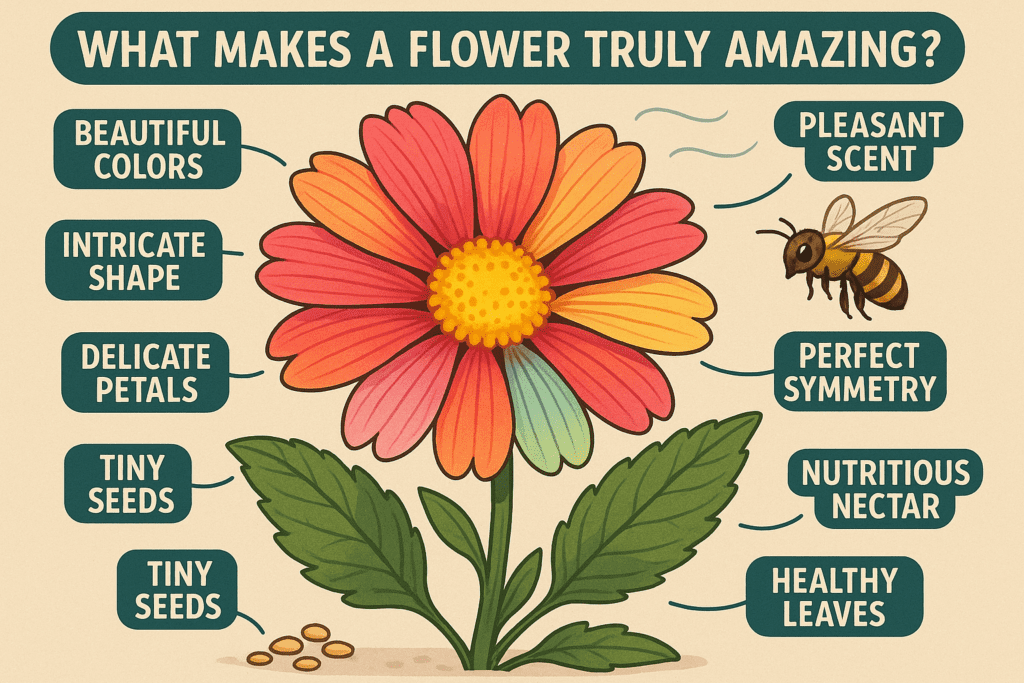
Before we jump into the list, let’s understand what makes a flower “amazing.” While every flower is beautiful in its own right, certain characteristics push them into the category of “extraordinary.” These include:
- Rarity: Flowers that are rare, often due to specific growing conditions or limited geographical distribution.
- Unusual Appearance: Flowers that break the mold in terms of color, shape, or structure.
- Incredible Scent: Some flowers are renowned for their intoxicating fragrance.
- Bizarre Features: Flowers that have unique features, like glowing at night or having strange patterns.
- Cultural or Mythological Significance: Certain flowers hold deep meanings in folklore or tradition.
Top 10 Amazing Flowers Around the World
1. The Rarest Flower: Ghost Orchid

Found in the swamps of Florida and parts of the Caribbean, the Ghost Orchid is as elusive as it is breathtaking. With its long, spindly petals and ethereal appearance, it’s a flower that seems almost otherworldly. Due to its rarity and difficulty to cultivate, this flower is also known as one of the most expensive flowers in the world.
2. The Beautiful and Deadly: The Titan Arum
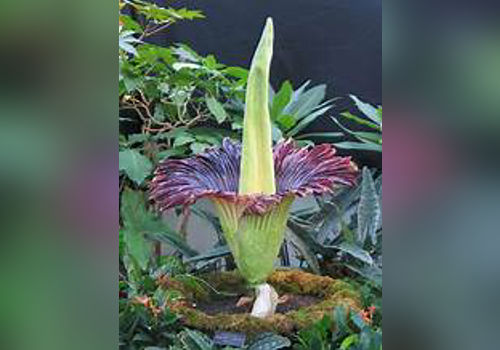
Known as the “corpse flower”, the Titan Arum has the largest single flower structure in the world. What makes this flower even more interesting (and somewhat unsettling) is its smell—it smells like rotting flesh, attracting pollinators like carrion beetles. Its bloom only lasts for a few days, making it an unpredictable and fascinating phenomenon.
3. The Color-Changing Miracle: Hydrangea
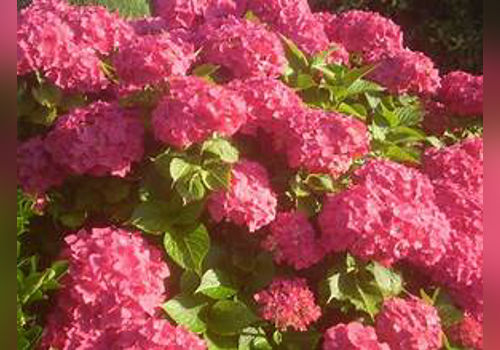
Hydrangeas are often loved for their large, showy blooms. But what’s even more magical about them is their ability to change color depending on the pH level of the soil. You can have blue hydrangeas one year and pink the next, simply by adjusting the soil’s acidity.
4. The Tiny But Mighty: The Wolf’s Bane
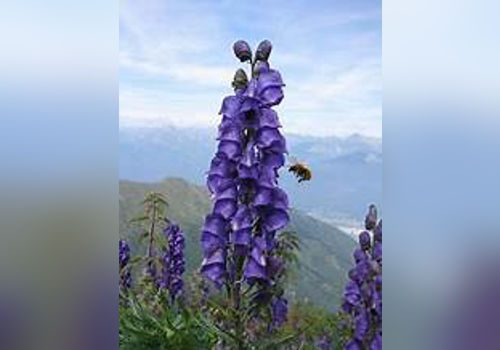
Known for its poisonous properties, Wolf’s Bane (or Aconitum) has been used for centuries in folklore and mythology. Despite its dangerous nature, the flower is a beauty to behold, with its vibrant purple and blue hues. It’s even been featured in stories as the flower that keeps werewolves at bay!
5. The Queen of the Night: Night-Blooming Cereus
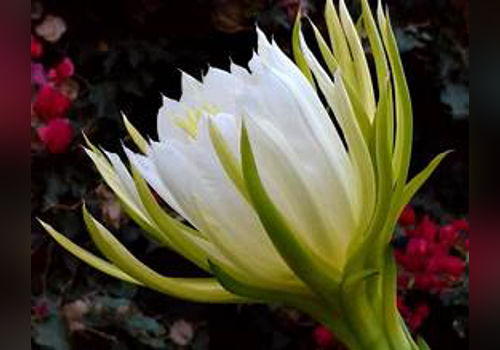
This fascinating flower blooms only at night, making it a rare spectacle. The Night-Blooming Cereus only opens for a few hours during the evening, releasing a sweet, intoxicating fragrance that attracts nocturnal pollinators like moths.
6. The Exotic and Vibrant: Bird of Paradise

Native to South Africa, the Bird of Paradise flower looks like a colorful bird in flight. Its striking appearance, coupled with its vibrant colors, makes it a popular ornamental plant. It symbolizes freedom and joy in many cultures.
7. The Floral Waterfall: Bleeding Heart
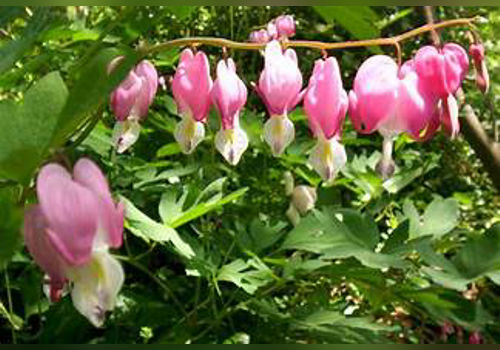
The Bleeding Heart flower is unlike any other. Its unique heart-shaped blossoms appear to be “bleeding” delicate drops of pink or red fluid, creating a stunning visual effect. This flower is often associated with love and heartbreak in various cultures.
8. The Sensational Scent: Jasmine
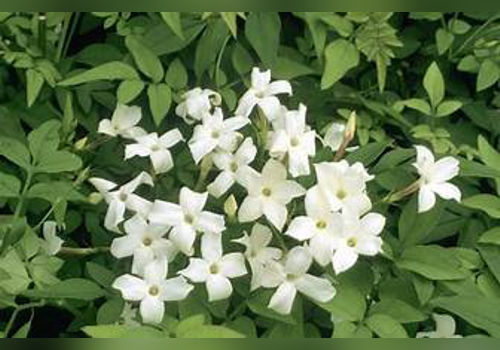
Renowned for its intoxicating fragrance, Jasmine is a flower that has inspired poets, artists, and perfumers for centuries. The delicate white petals exude a sweet, exotic scent that is both calming and invigorating. Jasmine is also often used in teas and perfumes.
9. The Enigmatic Blue Poppy
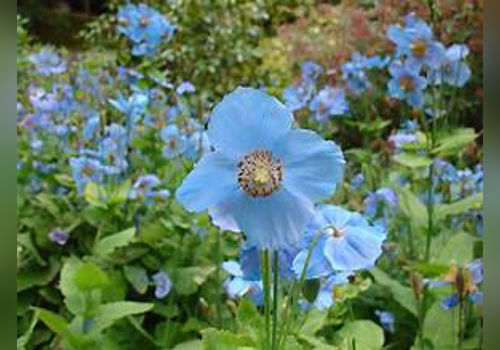
The Blue Poppy is an incredibly rare flower found in the Himalayan mountains. Its vibrant blue color stands out against the backdrop of green and brown, creating a striking visual contrast. The flower is hard to cultivate, making it a prized gem in the world of botany.
10. The Ever-Glowing Moonflower
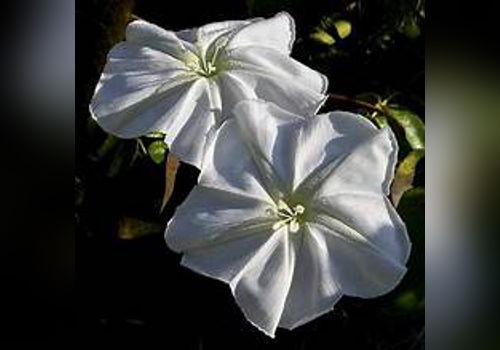
As its name suggests, the Moonflower blooms at night, and its petals glow in the moonlight. This enchanting flower is often used in gardens to add a touch of magic to evening landscapes.
Why Flowers Are More Than Just Beauty
Flowers are often seen as simple, ornamental plants that serve the purpose of beautifying gardens and homes. However, they hold much more significance than just aesthetics:
- Symbolism: Flowers have deep symbolic meanings across cultures. For instance, the lotus represents purity and enlightenment in Eastern cultures, while the red rose is a symbol of love and passion.
- Medicinal Benefits: Many flowers have therapeutic properties, used in teas, tinctures, or essential oils to treat various ailments.
- Ecological Importance: Flowers are essential to pollination, which is vital for the growth of fruits, seeds, and plants.
How to Grow and Care for Amazing Flowers
Growing beautiful and amazing flowers requires more than just good soil and sunlight. Here are some tips for cultivating these extraordinary blooms:
- Choose the Right Climate: Certain flowers thrive in specific climates. For example, the Ghost Orchid requires humid, subtropical conditions to grow, while the Bird of Paradise flourishes in warmer, tropical climates.
- Soil and pH Levels: Flowers like hydrangeas rely on the pH of the soil to change color, while others need well-drained, fertile soil.
- Watering and Sunlight: Most flowers need a balance of sunlight and water. However, some, like the Night-Blooming Cereus, only open at night and need minimal direct sunlight.
Conclusion
Flowers are much more than simple decorative plants; they represent the wonder and diversity of nature. Whether it’s the hauntingly beautiful Ghost Orchid or the captivating Moonflower, there’s no shortage of amazing flowers to explore. By understanding these incredible flowers, we not only appreciate nature’s aesthetic beauty but also learn about their importance in the environment and culture.
If you’re a nature lover, I encourage you to explore these flowers and maybe even try growing them yourself. Who knows? You might stumble upon your new favorite bloom!
FAQ Section
Q1: What is the rarest flower in the world?
The Ghost Orchid is considered one of the rarest flowers in the world. It is extremely difficult to find and even harder to cultivate.
Q2: Can you grow a Moonflower indoors?
Yes, you can grow Moonflowers indoors, but they require a lot of light, so it’s best to place them in a sunny spot or use grow lights.
Q3: Are the Titan Arum flowers dangerous?
While the Titan Arum has a strong, unpleasant odor, it is not poisonous or harmful to humans. However, its smell can be overpowering.
Q4: Why do hydrangeas change color?
Hydrangeas change color based on the acidity or alkalinity of the soil. Acidic soil tends to produce blue flowers, while alkaline soil leads to pink blooms.
Q5: How can I grow a Bird of Paradise flower?Bird of Paradise flowers thrive in warm, tropical or subtropical climates. To grow them successfully:
- 🌞 Sunlight: Place them where they get at least 4–6 hours of bright, indirect sunlight daily.
- 🌱 Soil: Use well-drained, rich soil with organic matter.
- 💧 Watering: Keep the soil moist but not soggy; let the top inch dry before watering again.
- 🌡️ Temperature: They prefer temperatures above 15°C (60°F) and should be protected from frost.
- 🌸 Fertilizer: Feed them every 2–3 weeks during the growing season with a balanced fertilizer to encourage vibrant blooms.
🌼 Call to Action: Start your own tropical corner at home — plant a Bird of Paradise and enjoy its exotic, bird-like blooms that symbolize joy and freedom!